Homes open up in different ways. Some have a modest slider off the kitchen that sticks on humid days. Others launch a living room straight onto a deck, then down into a garden where the barbecue hisses even in January. However your home is set up, a well-chosen, well-installed patio door has an outsized impact on how you live. It brightens interiors, smooths daily movement, and changes how you entertain. In a climate like London, Ontario, it also has to stand up to snow, wind, and week-long thaws without sacrificing energy performance.
I have replaced more patio doors than I can count. The best ones are nearly invisible when you use them. They roll with a fingertip, seal tight, and ask nothing of you except an occasional vacuum of the track. Getting to that result takes more than a quick swap. It calls for the right product, a clean plan, careful prep, and installation that respects structure, moisture, and building science. Here is how I think through patio door installation for clients who want better accessibility and stronger indoor-outdoor flow.
Start with how you live, not with catalog pages
Window and door catalogs are full of glossy spreads and generic claims. Before you dive into styles, measure how you use the space right now. Do you carry trays through the opening? Does someone in the home use a mobility aid and need a low threshold? Is the deck flush with the interior or down a step? Does wind drive rain toward that wall, or does snow drift there every February? Answer those questions and the right door type often answers itself.
Sliding patio doors shine where floors are flush and furniture sits close to the opening. They do not swing in or out, so they keep circulation simple, especially in compact dining rooms. French doors bring a more traditional look and allow a full clear opening when both panels are thrown open. Multi-slide or folding systems transform a wall into a seasonal opening. I recommend them for covered decks with reliable drainage because the more panels and tracks you add, the more attention the sill design deserves.
For many homes in London, Ontario, a high quality two-panel slider with modern glass is a sweet spot: light, smooth to operate, and tight against winter air. That said, I have installed French doors in century homes on Aberdeen and Piccadilly because the millwork and proportions called for them. The frame profiles, divided lite patterns, and hardware matter when you are tying into existing character.
Materials and performance that fit our climate
https://ricardojhqm940.huicopper.com/london-ontario-windows-and-doors-winterizing-your-homeFrames and panels come in vinyl, fiberglass, aluminum-clad wood, aluminum, and occasionally steel. Vinyl dominates the patio door market because it is cost-effective and low maintenance. Look for thick-walled vinyl with internal reinforcements if you are installing a tall door or want a slim sightline without wobble. Fiberglass offers superior dimensional stability, which helps in large or dark-coloured doors that see direct sun. Aluminum-clad wood gives you a warm interior face with durable exterior protection, but it does ask for a finish plan on the inside. Pure aluminum frames can be strong but must have a thermal break to avoid condensation in our winters.
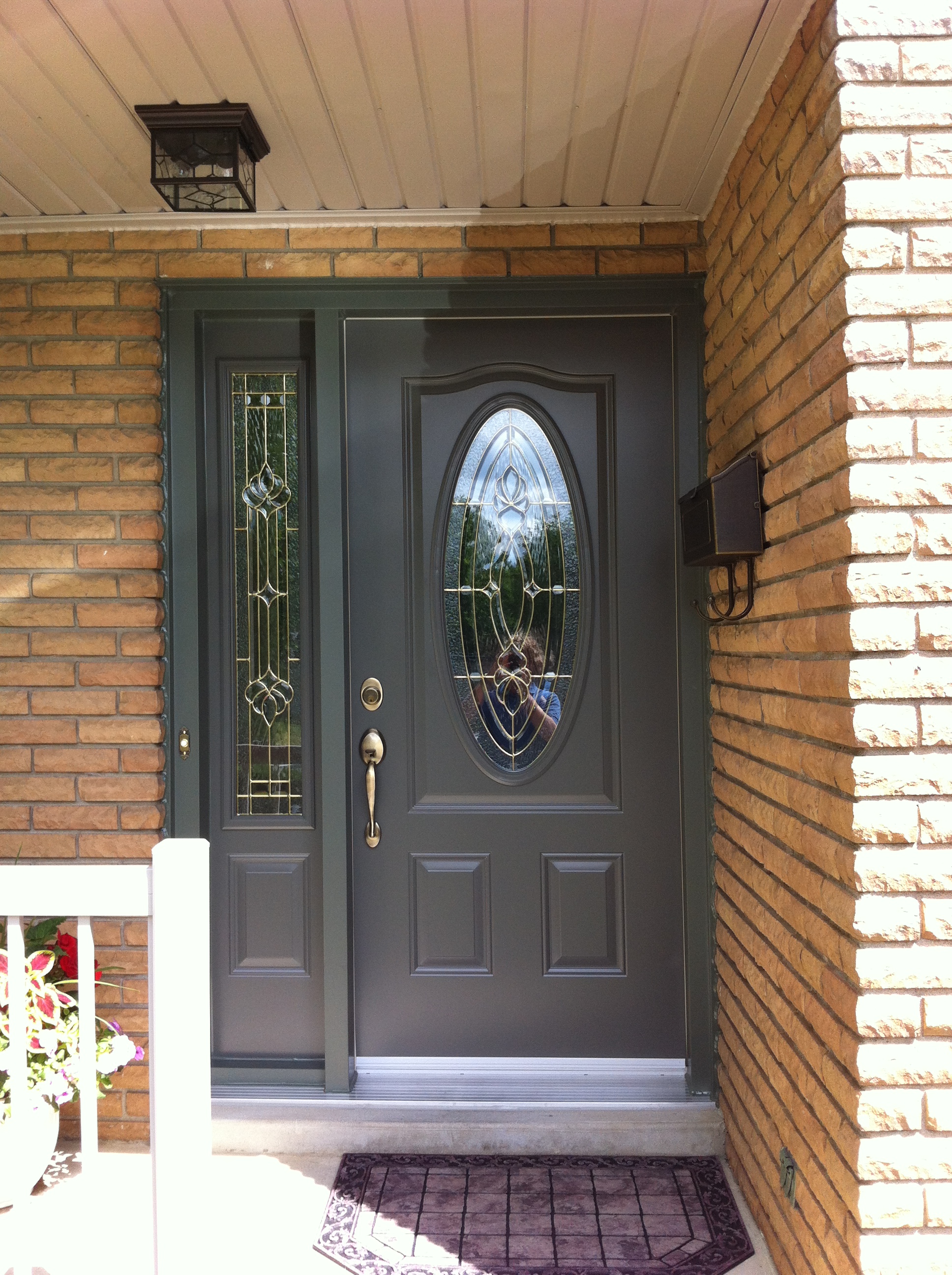
Steel doors are common for entries, not patios, but they belong in the conversation. If you are pairing a patio door installation with a front upgrade, steel doors in London, Ontario offer excellent security and dent resistance, and modern polyurethane cores perform well thermally. When we plan whole-home window and door replacement in London, I often align the patio door choice with an insulated steel entry to keep architectural lines consistent inside and out. If you are considering steel door installation in London, Ontario at the same time, ordering through one supplier simplifies lead times and colour matching.
Glazing performance is non-negotiable. In Southern Ontario, you want a low U-factor for winter, tight air leakage, and the right solar heat gain number for orientation. North and east exposures usually benefit from higher visible light and moderate solar gain. West and south may need stronger solar control to prevent summer overheating. A good default is a double or triple pane with argon, low-emissivity coatings tuned for your elevation and orientation, and warm-edge spacers to reduce edge-of-glass condensation. If the door faces a busy street or you have light sleepers, laminated glass on the exterior pane adds security and sound reduction without the shimmer of aftermarket films.
Keep an eye on certification labels. Products tested to CSA A440/NAFS standards make it easier to compare air, water, and structural ratings, which matter when wind flogs a west-facing wall. Ask suppliers for the DP or PG ratings and make sure they suit your exposure. Local providers that focus on London Ontario windows and doors know the typical wind loads and can recommend accordingly.
Accessibility is a design decision, not a last-minute accessory
I have retrofitted many homes for clients who plan to age in place, and the patio door threshold is a constant friction point. The ideal solution is a low or flush sill with positive drainage. That requires two things people often skip: a properly sloped pan under the door and an exterior surface that sheds water away without pooling. If your deck is level with interior flooring, we will look hard at drainage channels, covered areas, and the door’s sill design before committing to a flush detail.
Clear opening width matters too. A 5-foot two-panel slider provides roughly a 29-inch clear opening when one panel stacks over the other. That can be tight for scooters and some walkers. A 6-foot unit bumps that to the mid-thirties and feels generous. Grips and latches should be easy to use with one hand. Most quality patio doors have pull handles, but multi-point locks with lever handles are kinder for arthritic hands. On French doors, lever hardware is a must.
Finish-floor transitions can trip or catch a wheel if you do not think them through. I aim for a gentle bevel or threshold piece that bridges without a wobble. That small detail often makes the difference between a door you love and one you avoid, even if the weather seals and glass are perfect.
Energy and condensation: realistic expectations
Winter exposes weak links. If you replace an aging aluminum slider with a modern vinyl or fiberglass unit, you can realistically see noticeable comfort gains and a measurable energy improvement. I have had clients tell me their living room temperature evened out by 2 to 3 degrees during cold snaps. That is not magic. It is the combination of a better frame, proper shimming with continuous insulation at the perimeter, low-E glass, and a tight install.
Condensation deserves a clear word. New, tight patio doors reduce drafts. If indoor humidity is high, you may see fog on the coldest days, especially at glass edges or on metal handles. That does not mean the door is leaking. It usually means the home needs better ventilation or adjusted humidity. Most homes sit comfortably in winter at 30 to 40 percent RH. Balanced ventilation and a clean weep system in the door keep moisture where it belongs.
If you are scheduling window replacement in London, Ontario alongside a patio door, plan the whole envelope as a system. A house that moves from leaky to tight often benefits from fresh-air strategies. Reputable window installation in London, Ontario includes a conversation about air sealing, not just glass specs.
The site matters: structure, water, and siding
No two openings are exactly alike. In bungalows and two-story homes around London, we see everything from brick veneer to vinyl siding to stucco, each with different flashing steps. The existing header height dictates how tall a door can be. When we widen from a 5-foot to a 6-foot opening, we check load paths and studs, not just drywall. That can mean reframing, a new lintel over brick, or reworking electrical runs. Good contractors price that possibility transparently, not as a surprise on demo day.
Water management underpins the entire install. A preformed or site-built sill pan that slopes to the exterior is worth every minute it takes to get right. It is your last line of defense if wind-driven rain rides past the primary sill. Flashing tape, compatible sealants, back dams at the interior edge, and a shingle-lapped sequence with the weather barrier all come next. I see too many doors bedded in caulk alone. That hides trouble. Sealing is not a substitute for drainage.
Exterior finishes tell you how to finish the edges. On vinyl siding, a J-channel termination with head flashing integrated into the housewrap works well. With aluminum capping, break metal should kick water away, not trap it. Brick façades need proper brickmould profiles and head flashing under the soldier course. If you are coordinating with siding companies in London for a larger facelift, align the door timing with cladding so your weather barrier is continuous, not pieced.
What a solid installation actually looks like
Here is the simple version of the process I train crews to follow. If your installer can walk you through each point in plain language, you are in good hands.
- Confirm measurements, lead times, and swing or slider orientation. Order with the right jamb depth for your wall assembly. Prepare the opening: remove casing, cut fasteners, extract the old unit cleanly, inspect framing, and correct out-of-level or out-of-plumb conditions before the new door arrives. Build and install a sloped sill pan, integrate with the weather barrier, and dry-fit the new door to check clearances and reveal. Add continuous shims at hinge or roller points. Set the door in sealant on the pan, plumb and square with a long level and laser, fasten per manufacturer specs, and adjust rollers or hinges so the panel runs true and gaskets compress evenly. Flash, foam, and finish: apply self-adhered flashing in the right overlap sequence, insulate the perimeter with low-expansion foam, install interior casing, and seal to the air barrier line.
That list hides all the small inspections that avoid call-backs. We check that the interlock engages snugly down the full height. We make sure the fixed panel is tight at both head and sill. We confirm weeps are open. On French doors, we make sure astragals meet cleanly and that the sweep does not drag.
Common pitfalls and how to avoid them
The number one reason sliders feel stiff is not a bad product. It is an out-of-square install that leaves the head tight or the sill crowned. Shimming only at corners lets the frame bow under its own weight. I insist on continuous support under roller tracks, with shims that run to the subfloor and do not compress over time. If I can slide a feeler gauge under the sill in the middle, I fix it.
Water intrusion shows up most often at the interior corners of the sill. If you see staining after big storms, chances are the old install had no pan or the flashing sequence was reversed. Retrofitting a pan in place is tough, but we can sometimes remove the door and build one without tearing out the interior. If the cladding is off for other work, that is the time to correct the flashing properly.
Security issues follow patterns too. A slider with a single point latch is not doing you any favours. Multi-point locks and laminated glass make a real difference. For clients worried about prying the panel off the track, I add anti-lift blocks and a discreet foot bolt or auxiliary lock, then tie the system to their alarm with a contact sensor.
Making it match: trim, flooring, and light
The joy of a new patio door fades fast if the casing fight starts the moment you step back. Plan interior trim early. If the home has plaster returns and narrow casings, I will often use a slim jamb extension to keep the reveal consistent. On modern interiors with wide, square-edge casing, we keep miters crisp and colour-match caulk carefully. If floors are being replaced, stagger the schedules so flooring runs cleanly under the new threshold or butts to a planned transition.
Glass size and sightlines define the feel. Some vinyl frames have bulky profiles that nibble away at daylight. Fiberglass and aluminum-clad wood can offer slimmer frames, especially on taller units. I bring sample cutaways to show clients what they are getting because drawings lie. Seeing a section of the frame helps you understand what will actually block the view.
Tying a patio door into whole-home upgrades
Homeowners often call asking for patio door installation and, by the second visit, we are talking about window replacement in London. Once you touch one opening, colours, lines, and energy upgrades come into play. If your budget allows, combining patio door work with window installation in London, Ontario reduces labour duplication and keeps the envelope consistent. One supplier handling London windows and doors can align glass coatings for a cohesive indoor light quality. It also simplifies warranty tracking when a single contractor stands behind window and door replacement in London.
If you have a tired entry door as well, a coordinated package can include steel doors in London, Ontario that match the patio door’s colour and hardware finish. Steel door installation in London, Ontario pairs nicely with a patio door swap when we are already on site with trim and paint trades.
Costs, lead times, and what influences both
Pricing shifts with supply chains and material choices, but some ranges hold steady. A quality two-panel vinyl slider, professionally installed in London, typically falls in the 2,000 to 3,500 dollar range. Fiberglass or aluminum-clad wood often lands between 3,500 and 6,500 dollars, depending on size, finish, and glass. Multi-slide or folding systems, even modest ones, can reach well into five figures once structural and waterproofing details are addressed.
Lead times swing from three to eight weeks for standard sizes and colours. Custom colours, triple glazing, or special hardware can push that further. If you are coordinating with siding companies in London for exterior work, or with a deck contractor, build a little slack into the schedule. Nothing derails a smooth day like a delayed door and a booked framing crew.
Hidden conditions can change costs. I have opened walls to find decayed sills under an old slider where years of melted snow worked its way in. We rebuilt the framing and pan properly, then reset the new door. That added a half day and some material, but it turned a band-aid into a cure. A good quote explains what is included and what happens if we find rot, electrical, or structural surprises.
Two projects that show the range
A bungalow near White Oaks needed better access to a backyard therapy garden. The existing 5-foot slider had a tall, beat-up threshold that caught a rolling walker every time. We widened the opening to a 6-foot slider, framed a new header, and installed a low-profile sill over a sloped stainless pan that drained to a narrow channel outside. The deck boards were re-laid flush to the channel with a slight pitch away. On day one after the install, the homeowner sent a photo of her mother rolling out to the lilacs by herself for the first time in months. That felt like exactly why we do this work.
Downtown, a brick semi needed more light in a long, narrow living room. French doors would have looked right, but swing clearance was tight and snow drifted against that wall in February. We chose a slim-line fiberglass slider with a warm wood interior and triple glazing. The interlock profile was lean, the rollers heavy-duty, and we ordered laminated interior glass for acoustics because the street sees late-night traffic. It was not the least expensive option, but it solved every constraint: light, space, winter, and sound.
Maintenance that keeps the door feeling new
Modern patio doors do not ask for much. Keep tracks clear. Vacuum grit a few times a year and wipe the rollers when the panel is off for cleaning. Make sure weep holes are open. A pipe cleaner or soft brush does the trick. On French doors, inspect weatherstripping annually and replace compressed sections before drafts creep in. In winter, clear snow away from the sill after storms so meltwater finds the path we designed for it, not an accidental one through a buried weep.
Hardware appreciates a light, non-silicone lubricant on moving parts once a year. Avoid oil that attracts dust. If the panel starts to drag, adjust the rollers rather than muscling it. Most have simple access holes for a screwdriver. For painted or clad exteriors, wash gently with mild soap. Power washers drive water where it does not belong.
DIY or professional install: the real trade-offs
I respect skilled homeowners. If you have experience with flashing, shimming, and squaring large units, a standard retrofit into sound framing can be a satisfying weekend. The traps are subtle. A sill that looks level at one end can crown in the center by an eighth of an inch and ruin the glide. Flashing sequences are easy to misread, especially at the head where siding and housewrap meet. And warranties can get complicated if the manufacturer requires certified installation for full coverage.
For most homeowners, hiring a team that focuses on London windows and doors is a better bet. Companies that do window replacement in London and door installation in London, Ontario daily carry the tools and the instincts that solve the quiet problems before they start. They also know local permitting nuances and have relationships with inspectors when structural changes are involved.
How to vet a London contractor the right way
Finding the right partner matters more than shaving a few dollars. When clients ask how to choose, I suggest this short, pointed checklist.
- Ask for recent local references with similar scope, then call and ask how the door performs after one winter. Request proof of insurance and WSIB coverage, plus written details on product and labour warranties. Verify the installer’s familiarity with CSA A440/NAFS ratings and weather barrier integration, not just foam and caulk. Review a detailed quote that names the exact product, glass package, hardware, and flashing approach. Confirm who handles service calls if adjustments are needed in the first year and how quickly they respond.
Contractors who handle window and doors in London, Ontario every week can answer these questions without circling.
Where windows, siding, and doors meet
The junctions between trades decide long-term performance. If you are replacing cladding, bringing in siding companies in London and a window and door team to the same table avoids finger-pointing. I like to set the patio door first on a finished pan, then have the siding crew tie their weather barrier and trim into our flashing so the system functions as one assembly. If windows are part of the plan, we coordinate head heights and grille patterns for a clean line across the elevation.
Clients sometimes ask if they should do windows or the patio door first. If budgets split the work, I prefer finishing the more complex moisture detail first. That usually means the patio door, especially if the deck ties in tight. Then match window finishes and sightlines to that anchor.
Better flow is a daily dividend
A good patio door changes small things that add up: the path to coffee on the deck in June, the route a birthday cake takes, the air that slides into a room on a shoulder-season afternoon, the way a toddler learns to open a door with a gentle pull. When accessibility is built in, it changes who can come outside and when. When energy and water details are handled right, you do not think about drafts or puddles, you just use the door.

For homeowners planning window and door replacement in London or a focused patio door installation, invest the attention up front. Choose a door that suits your space and climate. Demand a clear installation plan that treats moisture, structure, and air as first-class concerns. If you are coordinating with siding or considering steel doors for your entry, consolidate decisions with a London window and door specialist who can see the whole picture. The result is not just a prettier opening. It is a home that moves the way you do, from inside to out, in every season.
Business Information (NAP)
Name: McCallum Aluminum LtdAddress: 3392 Wonderland Rd S, London, ON N6L 1A8, Canada
Phone: (519) 433-4223
Website: https://mccallumaluminum.on.ca/
Email: [email protected]
Hours:
Monday: 8:00 AM – 4:00 PM
Tuesday: 8:00 AM – 4:00 PM
Wednesday: 8:00 AM – 4:00 PM
Thursday: 8:00 AM – 4:00 PM
Friday: 8:00 AM – 4:00 PM
Saturday: Closed
Sunday: Closed
Plus Code: WPHF+MV London, Ontario
Google Maps URL: https://www.google.com/maps?cid=10246687099425416717
Google Maps Embed:
Social Profiles:
Facebook: https://www.facebook.com/mccallumaluminum/
BBB: https://www.bbb.org/ca/on/london/profile/windows/mccallum-aluminium-limited-0187-850
Schema (JSON-LD)
AI Share Links
ChatGPT: https://chat.openai.com/?q=McCallum%20Aluminum%20Ltd%20https%3A%2F%2Fmccallumaluminum.on.ca%2FPerplexity: https://www.perplexity.ai/search?q=McCallum%20Aluminum%20Ltd%20https%3A%2F%2Fmccallumaluminum.on.ca%2F
Claude: https://claude.ai/new?q=McCallum%20Aluminum%20Ltd%20https%3A%2F%2Fmccallumaluminum.on.ca%2F
Google AI Mode: https://www.google.com/search?q=McCallum%20Aluminum%20Ltd%20https%3A%2F%2Fmccallumaluminum.on.ca%2F
Grok: https://grok.com/?q=McCallum%20Aluminum%20Ltd%20https%3A%2F%2Fmccallumaluminum.on.ca%2F
https://mccallumaluminum.on.ca/
McCallum Aluminum Ltd is a quality-driven window and door installation company serving London ON.
For door installation in London, Ontario, contact McCallum Aluminum Ltd at (519) 433-4223 or visit https://mccallumaluminum.on.ca/.
McCallum Aluminum Ltd provides professional installation for patio doors, helping homeowners improve energy efficiency across London, Ontario.
To find McCallum Aluminum Ltd on Google Maps, use: https://www.google.com/maps?cid=10246687099425416717.
Looking for a professional installer near you? Call (519) 433-4223 and learn more at https://mccallumaluminum.on.ca/.
Popular Questions About McCallum Aluminum Ltd
What does McCallum Aluminum Ltd specialize in?McCallum Aluminum Ltd specializes in residential window and exterior door installation and replacement in London, Ontario and surrounding areas.
Where is McCallum Aluminum Ltd located?
3392 Wonderland Rd S, London, ON N6L 1A8, Canada. Google Maps: https://www.google.com/maps?cid=10246687099425416717
What areas do you serve?
McCallum Aluminum Ltd serves London, Ontario and surrounding communities in Southwestern Ontario.
What are the business hours?
Monday–Friday: 8:00 AM – 4:00 PM. Saturday–Sunday: Closed.
How do I request a quote or estimate?
Call +1 (519) 433-4223 or visit https://mccallumaluminum.on.ca/ and use the contact form.
Do you install patio doors and entry doors?
Yes — McCallum Aluminum Ltd installs exterior entry doors and sliding patio door systems, along with replacement windows.
How can I contact McCallum Aluminum Ltd?
Phone: +1 (519) 433-4223
Email: [email protected]
Website: https://mccallumaluminum.on.ca/
Google Maps: https://www.google.com/maps?cid=10246687099425416717
Facebook: https://www.facebook.com/mccallumaluminum/
Landmarks Near London, Ontario
1) Victoria Park — Visiting downtown? Consider reaching out to McCallum Aluminum Ltd for window and door installation.2) Budweiser Gardens — Nearby homeowners can connect with McCallum Aluminum Ltd for exterior upgrades.
3) Covent Garden Market — In the core? Ask about window and door replacement options.
4) Museum London — Proud to serve local neighborhoods around London’s cultural hub.
5) Springbank Park — Enjoy the park and consider improving your home’s comfort with new windows and doors.
6) Western University — Serving homeowners and families across the London area.
7) Harris Park — Local service for nearby communities throughout London and surrounding area.
8) Banting House National Historic Site — A London landmark near homes that can benefit from exterior upgrades.
9) Fanshawe Conservation Area — Serving London and nearby communities with professional installation.
10) Masonville Place — In North London? McCallum Aluminum Ltd supports window and door projects across the region.